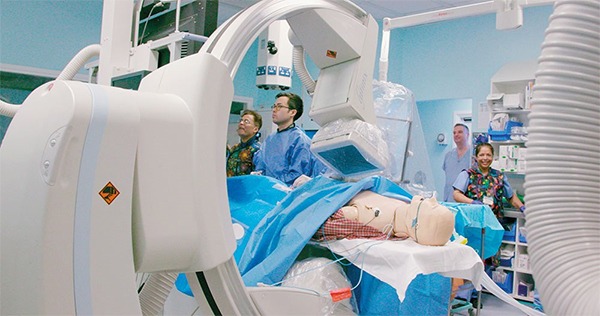
Improvements in minimally invasive methods have changed the ways that many conditions can be treated in neurosurgery. Middle Meningeal Artery (MMA) embolization is one of these new procedures. It is a cutting-edge method that can be used instead of standard surgery. The purpose of this piece is to look into the benefits of MMA embolization and show how it is better than traditional surgery methods. It will also show how important advanced surgical tech training is in modern medicine.
Understanding MMA Embolization
A minimally invasive treatment called MMA embolization is used to treat conditions like chronic headaches, especially those that are caused by persistent trigeminal artery (PTA) vascular compression. A small artery called the MMA, which is near the trigeminal nerve, is precisely blocked during the operation. The goal is to relieve pressure on the trigeminal nerve by cutting off blood flow to this artery. This will help people who suffer from recurrent headaches.
Benefits of MMA Embolization
Minimally Invasive Approach: MMA embolization is done through a small cut, usually in the groin, which lets a tube get to the MMA. This slightly invasive method is very different from open surgery, which usually needs bigger cuts and more damage to the tissue.
Less Time Spent Recovering: People who have MMA embolization usually heal faster than people who have had traditional surgery. Because the process is less invasive, there is less pain afterward, hospital stays are shorter, and people can get back to their normal lives faster.
Precision and Effectiveness: Surgeons can precisely target the MMA with the help of advanced imaging methods, making sure that the embolization works correctly and effectively. This accuracy cuts down on the chance of problems and raises the chances of treatment success.
Lower Chance of Complications: Regular surgery comes with risks like infection, bleeding, and nerve damage. MMA embolization greatly lowers these risks because it is very accurate and doesn't require much surgery.
Better Comfort for the Patient: The process is done with local anesthesia, which makes sure the patient is safe and comfortable. This is especially helpful for people who might not be good candidates for general anesthesia.
Minimally Invasive Approach: MMA embolization is done through a small cut, usually in the groin, which lets a tube get to the MMA. This slightly invasive method is very different from open surgery, which usually needs bigger cuts and more damage to the tissue.
Less Time Spent Recovering: People who have MMA embolization usually heal faster than people who have had traditional surgery. Because the process is less invasive, there is less pain afterward, hospital stays are shorter, and people can get back to their normal lives faster.
Precision and Effectiveness: Surgeons can precisely target the MMA with the help of advanced imaging methods, making sure that the embolization works correctly and effectively. This accuracy cuts down on the chance of problems and raises the chances of treatment success.
Lower Chance of Complications: Regular surgery comes with risks like infection, bleeding, and nerve damage. MMA embolization greatly lowers these risks because it is very accurate and doesn't require much surgery.
Better Comfort for the Patient: The process is done with local anesthesia, which makes sure the patient is safe and comfortable. This is especially helpful for people who might not be good candidates for general anesthesia.